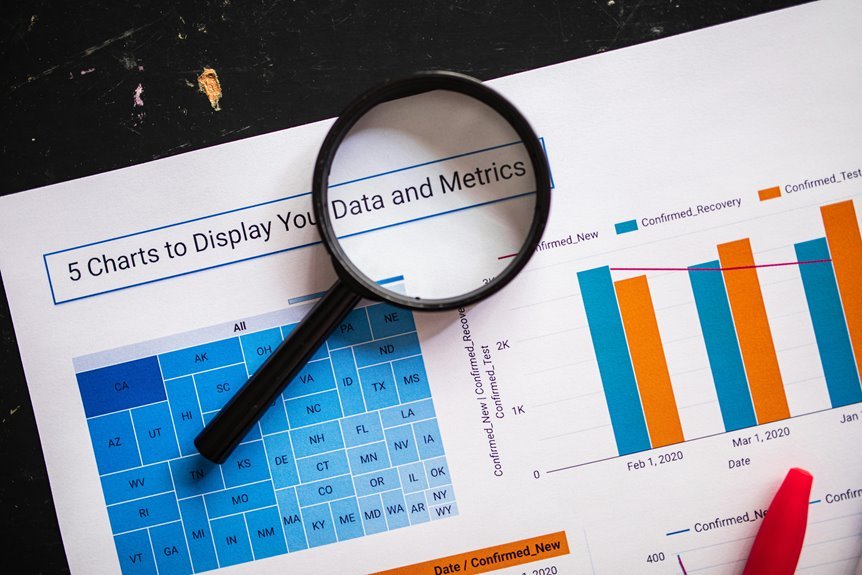
Enterprise Evaluation & Performance Data 23187000, 662903, 8000472792, 633539547, 7458195016, 654103678
Enterprise evaluation and performance data, represented by identifiers such as 23187000 and 662903, provide essential insights into organizational effectiveness. These metrics enable organizations to assess their strategic alignment and operational efficiency. By analyzing data points like 8000472792 and 633539547, stakeholders can identify performance gaps. This analytical approach fosters a culture of continuous improvement. However, the true potential of this data lies in its application for growth and strategic decision-making. What specific strategies can emerge from these insights?
Importance of Key Performance Metrics
Although organizations may pursue various objectives, the importance of key performance metrics remains paramount in guiding strategic decisions and measuring success.
Key metrics facilitate performance tracking, enabling organizations to assess their progress and effectiveness. By identifying and monitoring these metrics, companies can align their strategies with desired outcomes, ensuring accountability and continuous improvement in pursuit of operational freedom and organizational growth.
Analyzing Data Points for Strategic Insights
Analyzing data points emerges as a critical process for organizations aiming to derive strategic insights that drive informed decision-making.
Employing data visualization techniques enhances the clarity of complex information, enabling stakeholders to grasp trends swiftly.
Additionally, predictive analytics empowers businesses to forecast future outcomes, aligning strategies with anticipated market shifts.
Together, these approaches facilitate a deeper understanding of performance metrics and enhance overall operational effectiveness.
Identifying Areas for Improvement
While organizations continuously seek to optimize their operations, identifying areas for improvement remains a fundamental task that drives performance enhancement.
Conducting a gap analysis against established performance benchmarks allows organizations to pinpoint inefficiencies and opportunities. By systematically evaluating current practices and comparing them to desired outcomes, organizations can foster a culture of continuous improvement, ultimately enhancing overall effectiveness and organizational freedom.
Leveraging Performance Data for Growth
Identifying areas for improvement lays the groundwork for effectively leveraging performance data, which can serve as a powerful tool for organizational growth.
By establishing clear performance benchmarks, organizations can implement data-driven strategies that enhance operational efficiency and drive innovation.
This analytical approach empowers teams to make informed decisions, fostering a culture of continuous improvement and ultimately contributing to sustainable growth and competitive advantage.
Conclusion
In conclusion, the integration of enterprise evaluation and performance data is paramount for proactive organizational progress. By pinpointing pivotal performance metrics and perspicaciously analyzing data points, organizations can unearth untapped opportunities and address areas needing enhancement. This data-driven approach not only cultivates a culture of continuous improvement but also champions sustainable growth. Ultimately, adopting such analytical frameworks fosters a formidable foundation for future success, ensuring that businesses remain competitive in an ever-evolving landscape.